
WWDC 2026 in Brief
WWDC26 ran from June 8–12, 2026, with the theme "All systems glow." The opening keynote focused on the latest Apple software and technologies, with a clear emphasis on how AI capabilities are being woven into the platform experience.
For developers, WWDC remains the primary venue for platform updates, APIs, and design guidance. For business leaders, the event offers a preview of how user expectations around intelligence, personalization, and voice interaction may evolve across Apple devices.
Apple's Bigger Message: AI Is Becoming Part of the Operating System
Apple's direction indicates that AI is no longer a separate feature layer. It is becoming part of how users navigate apps, complete tasks, and interact with their devices throughout the day.
Rather than asking users to open a dedicated AI tool, platform-level intelligence can surface context at the right moment—inside productivity workflows, app actions, notifications, and personal assistant experiences.
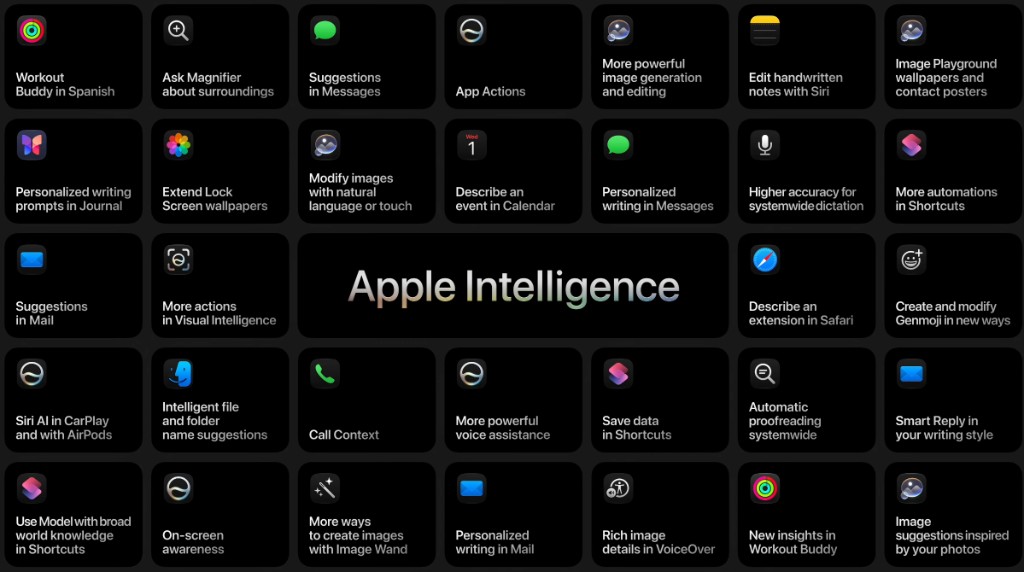
At WWDC26, Apple Intelligence appeared as a system-wide capability spanning Messages, Mail, Photos, Siri, Shortcuts, and more—signaling how deeply AI-powered apps may be expected to integrate with platform intelligence.
- Contextual AI that understands what the user is doing, not just what they typed
- Personal assistant improvements that make voice and intent-based actions more natural
- Productivity enhancements across writing, search, summarization, and task completion
- App actions and automation that reduce friction between intent and execution
- On-device AI patterns that align with privacy-first AI expectations
Why Apple's AI Direction Matters for Businesses
When a platform embeds intelligence into core experiences, customer expectations shift quickly. Businesses that rely on mobile apps, customer support, field operations, or knowledge work should pay close attention.
- Better customer experience through faster, more relevant in-app assistance
- Voice-first interactions that feel more natural on phones, wearables, and in-car systems
- Smarter mobile apps that anticipate user needs instead of waiting for explicit commands
- AI-assisted workflows that reduce manual steps for teams and end users
- Privacy-aware personalization that respects data boundaries while still feeling helpful
- On-device intelligence that can improve responsiveness and reduce latency-sensitive friction
- New app ecosystem opportunities as platform APIs and design patterns evolve
What Product Teams Should Start Thinking About
WWDC 2026 does not require every company to rebuild overnight. It does suggest that product roadmaps should account for AI as a default capability—not an experimental add-on.
Practical starting points for teams planning AI product development include:
- Add AI copilots inside existing products to guide users through complex workflows
- Build voice-enabled workflows for hands-free scenarios in support, field, and operations
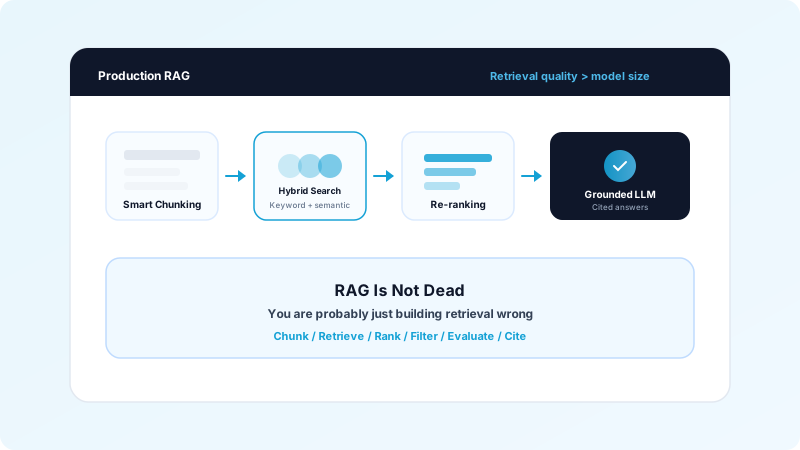
- Use RAG for business-specific answers grounded in your own documents and policies
- Improve search and recommendations with semantic understanding
- Automate repetitive operations while keeping humans in the loop for high-stakes decisions
- Design privacy-first AI experiences that explain what data is used and why
Opportunities for Startups and Enterprises
Developers can expect opportunities around AI-powered apps that feel native to how people already work—on mobile, in voice channels, and inside enterprise tools.
Industries where the impact may be especially visible include:
- Healthcare: patient navigation, documentation support, and care coordination
- SaaS: embedded copilots, smarter onboarding, and self-service intelligence
- Customer support: voice AI agents and contextual resolution paths
- Retail and restaurants: ordering, recommendations, and multilingual engagement
- Field operations: voice-guided checklists and real-time knowledge access
- Internal productivity tools: summarization, search, and workflow automation
- Voice AI agents that connect customer intent to backend systems securely
Where KyszTech and Loccl Fit In
KyszTech helps businesses translate platform shifts into production-ready products. As Apple Intelligence and on-device AI reshape user expectations, companies need partners who can build beyond demos—across architecture, integration, and long-term maintainability.
KyszTech supports AI development, voice AI agents, and SaaS development for teams building enterprise AI solutions that scale.
Our work spans AI-native SaaS platforms, RAG-based knowledge systems, mobile and web applications, enterprise integrations, and cloud-native AI platforms.
Loccl reflects an AI-based product direction where voice, automation, and multilingual customer engagement can help businesses respond faster and operate more efficiently—especially in customer-facing and operations-heavy environments.
Final Thoughts
WWDC 2026 reinforces a clear trend: AI will become invisible, contextual, voice-enabled, privacy-aware, and deeply integrated into daily workflows.
Businesses should watch how Apple Intelligence and platform-level capabilities influence user habits—and start aligning product strategy accordingly. The companies that prepare early will be better positioned to deliver AI-native applications that feel natural, trustworthy, and genuinely useful.
If your team is evaluating what this means for your roadmap, talk to KyszTech about practical next steps.