
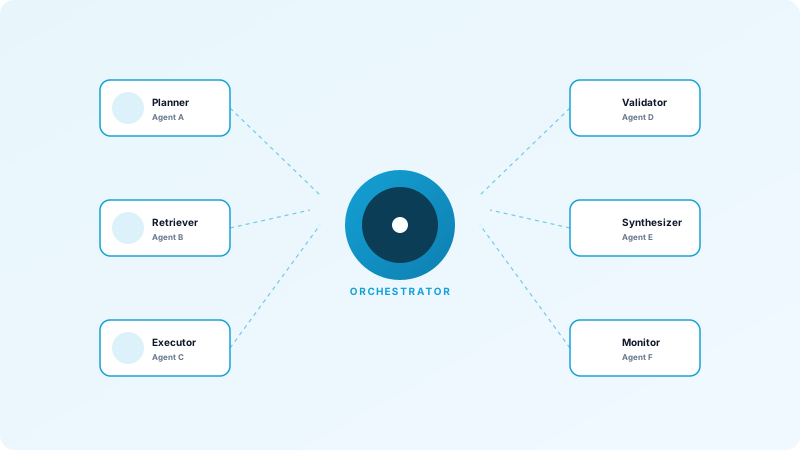
Why Multi-Agent Systems?
Single AI agents have limitations:
Multi-agent systems address these by:
- Limited context windows
- Narrow specialization
- Sequential processing
- Single point of failure
- Distributing expertise across specialized agents
- Enabling parallel processing
- Providing redundancy and fault tolerance
- Handling complex, multi-step workflows
Common Agent Patterns
1. Hierarchical Agents
A coordinator agent delegates tasks to specialized worker agents. This pattern is ideal for workflows with clear task dependencies.
Example: A customer service system where a coordinator routes inquiries to specialized agents (billing, technical support, sales).
2. Collaborative Agents
Multiple agents work together on the same problem, each contributing different perspectives or capabilities.
Example: A research system where one agent gathers information, another analyzes it, and a third synthesizes findings.
3. Competitive Agents
Multiple agents propose solutions, and a selector chooses the best one. Useful for quality assurance and validation.
Example: Code generation where multiple agents propose implementations, and a reviewer selects the best approach.
Orchestration Strategies
Centralized Orchestration
A central orchestrator manages all agents, their communication, and workflow execution. Provides clear control but can become a bottleneck.
Decentralized Orchestration
Agents communicate directly with each other. More scalable but requires careful design to avoid chaos.
Hybrid Approach
Combine both: use centralized orchestration for high-level workflow, but allow direct agent-to-agent communication for specific tasks.
Communication Patterns
Message Passing
Agents communicate through structured messages. Define clear message formats and protocols.
Shared State
Agents access shared knowledge bases or databases. Requires careful concurrency management.
Event-Driven
Agents react to events and publish results. Enables loose coupling and scalability.
Error Handling and Resilience
Retry Logic
Implement retry mechanisms for transient failures. Use exponential backoff to avoid overwhelming systems.
Circuit Breakers
Prevent cascading failures by temporarily disabling failing agents or services.
Fallback Strategies
Define fallback behaviors when agents fail or produce low-confidence results.
Human-in-the-Loop
Design points where human oversight is required for critical decisions or when confidence is low.
Monitoring and Observability
Agent Performance Metrics
Communication Metrics
System Health
- Task completion rates
- Average processing time
- Error rates
- Resource utilization
- Message throughput
- Communication latency
- Message queue depths
- Overall system availability
- Agent health status
- Workflow completion rates
- User satisfaction scores
Best Practices
1. Start Simple
Begin with a small number of agents and simple workflows. Add complexity gradually.
2. Clear Agent Responsibilities
Each agent should have a well-defined, focused responsibility. Avoid overlapping or ambiguous roles.
3. Standardize Interfaces
Use consistent interfaces and protocols for agent communication. This simplifies integration and maintenance.
4. Implement Observability Early
Build monitoring and logging from the start. It's much harder to add later.
5. Test Thoroughly
Multi-agent systems have more failure modes. Comprehensive testing is essential.
6. Document Everything
Clear documentation of agent roles, communication patterns, and workflows is crucial for maintenance.
Real-World Example
Consider a document processing system:
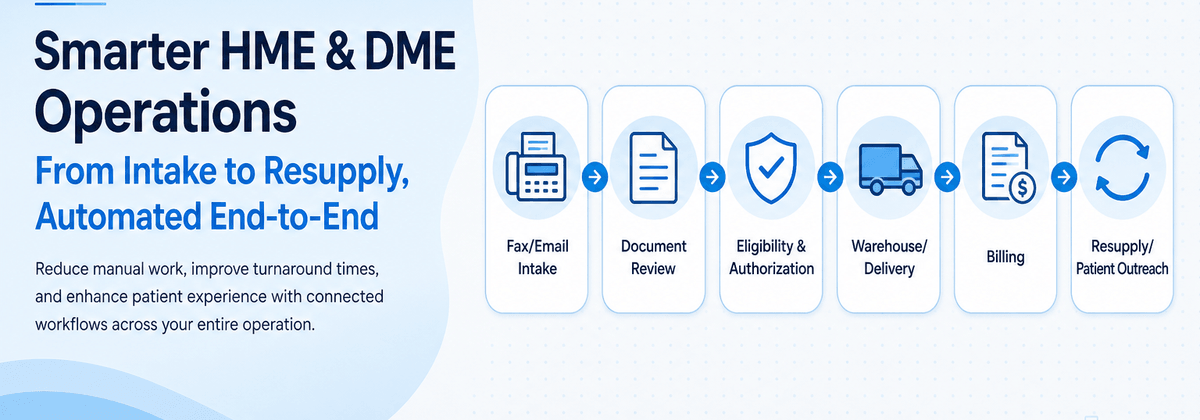
- Ingestion Agent: Extracts text from various document formats
- Classification Agent: Categorizes documents by type
- Extraction Agent: Extracts structured data from documents
- Validation Agent: Verifies extracted data accuracy
- Storage Agent: Stores processed documents and data
- Coordinator: Manages the workflow and handles errors
Conclusion
Multi-agent AI systems enable solving complex problems that single agents cannot handle. By following these patterns and practices, you can build robust, scalable systems that leverage the power of collaborative AI.